OUR PROGRAMS
Empowering Communities Through Health, Prevention and Support
At the African Women and Youth Cancer and Non-Communicable Diseases Initiative (AWYCNCDI), we believe that every individual deserves access to health information, appropriate support and opportunities to live a healthier life.
Our programs focus on cancer awareness, non-communicable disease (NCD) prevention, community health education, psychosocial support, disability inclusion, capacity building and research.
Through community outreach, advocacy and collaboration with health facilities and other stakeholders, we seek to improve the quality of life of women, youth, patients, survivors, people with disabilities and their families across Uganda.
Our focus: Prevention. Awareness. Support. Empowerment.
1. Cancer Awareness, Advocacy and Patient Support
Cancer affects individuals, families and communities physically, emotionally, socially and economically. AWYCNCDI promotes cancer awareness and advocates for improved support for people affected by cancer.
Key activities:
- Community cancer awareness and sensitization.
- Education on cancer risk factors and prevention.
- Promotion of early detection and appropriate screening.
- Advocacy for the needs and rights of cancer patients.
- Psychosocial support for patients, survivors and their families.
- Referral and linkage to appropriate health services in collaboration with health professionals.
Our objective: To improve cancer awareness, encourage timely engagement with health services and strengthen support for patients and survivors.
2. Non-Communicable Disease Prevention and Control
Non-communicable diseases, including diabetes, hypertension, stroke and cardiovascular diseases, can have long-term consequences for individuals and families.
AWYCNCDI promotes community awareness of these conditions, their risk factors and the importance of prevention, early identification and ongoing care.
Key activities:
- Education on diabetes, hypertension, stroke and other NCDs.
- Awareness of tobacco use, unhealthy diets, physical inactivity and harmful alcohol use.
- Promotion of healthy eating and regular physical activity.
- Community education on the importance of appropriate health checks.
- Support for patients and families through awareness and advocacy.
- Collaboration with health professionals and facilities to strengthen community support
3. Community Health Screening and Early Detection
Access to health information and screening opportunities can help people identify potential health concerns and seek appropriate care.
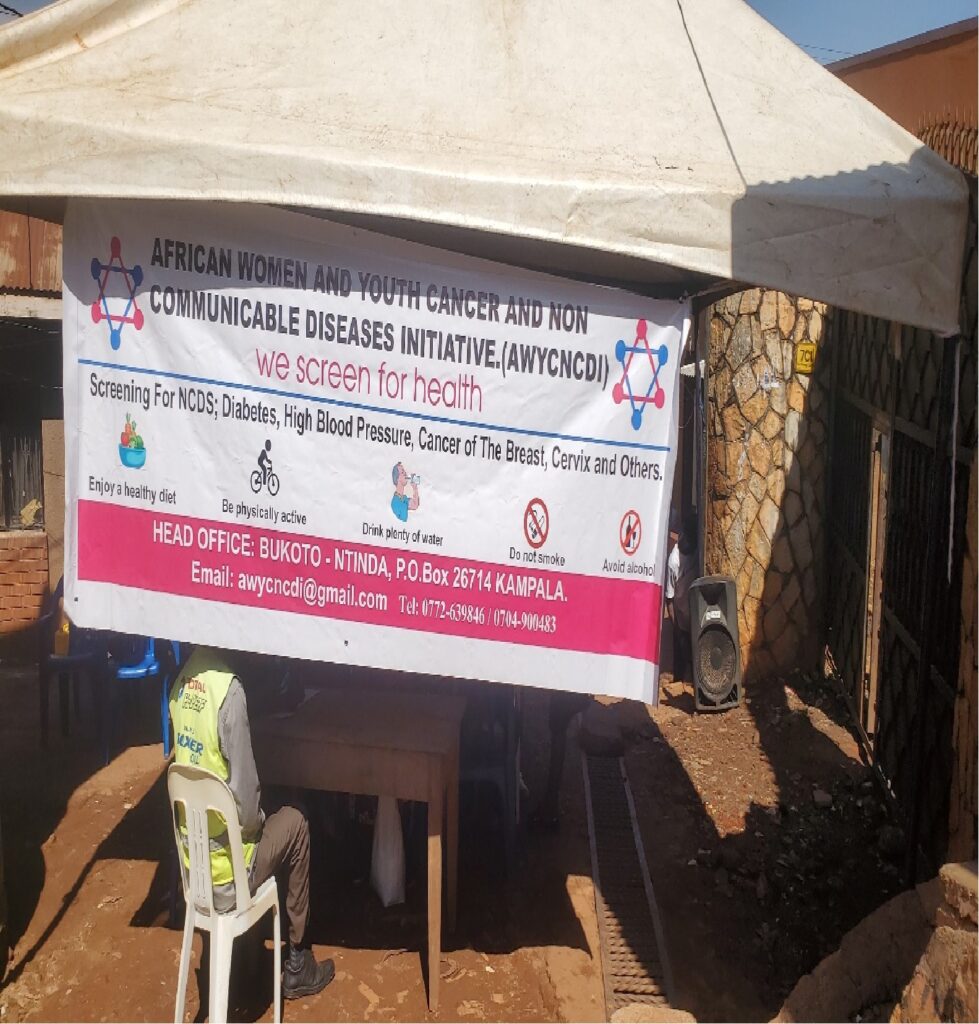
AWYCNCDI supports community-based screening and health education initiatives in collaboration with qualified health professionals and partner facilities.
Key activities:
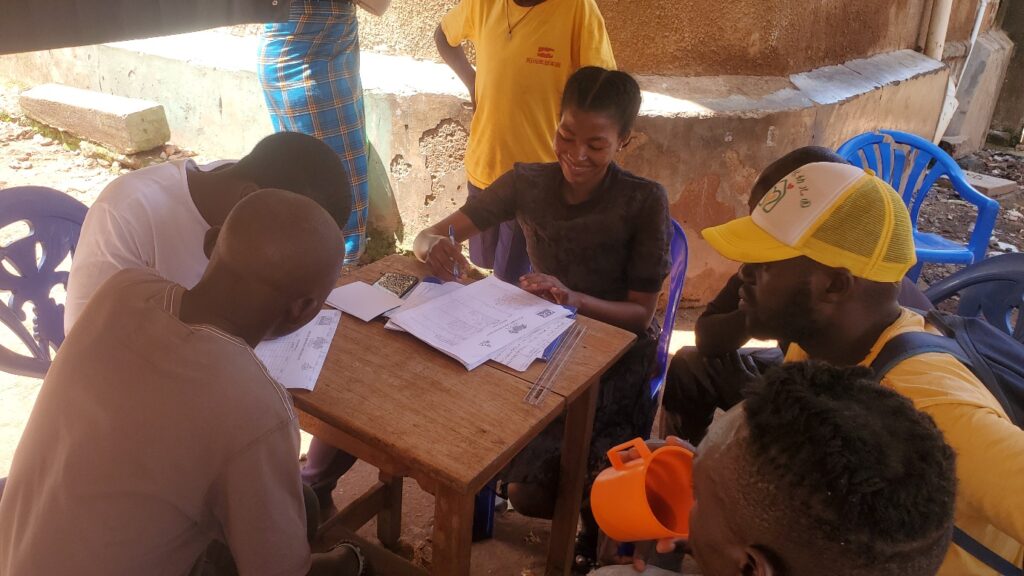
- Community outreach and health sensitization.
- Support for cancer and NCD screening initiatives.
- Promotion of routine health checks and early identification.
- Referral of individuals with concerning screening results to appropriate health facilities.
- Health education for women, youth and underserved communities.
- Partnerships with hospitals, medical centres and other health providers.
Our objective: To help reduce barriers to screening and encourage timely access to appropriate health services.
4. Counseling and Psychosocial Support
Living with cancer, an NCD or a disability can create emotional, psychological and social challenges. Families and caregivers may also experience stress and uncertainty.
AWYCNCDI recognizes the importance of compassionate support for people navigating these experiences.
Key activities:
- Counseling and psychosocial support initiatives.
- Emotional support for patients and survivors.
- Family and caregiver sensitization.
- Community education to reduce stigma and discrimination.
- Supportive engagement with affected individuals and families.
- Referral to appropriate professional support when needed.
Our objective: To promote dignity, emotional wellbeing, social inclusion and improved quality of life for people affected by illness and disability.
health services.
WHO BENEFITS FROM OUR PROGRAMS?
- Women and girls.
- Youth and young people.
- People living with cancer.
- People living with diabetes and hypertension.
- People affected by stroke and other NCDs.
- People living with disabilities.
- Patients, caregivers and families.
- Health workers and community advocates.
- Schools and communities with limited access to health information.
HOW WE DELIVER OUR PROGRAMS
AWYCNCDI uses a community-centered and collaborative approach.
Our program delivery combines:
Community Outreach: Engaging communities through awareness, sensitization and health education.
Partnerships: Working with health facilities, professionals, institutions and other organizations.
Advocacy: Promoting awareness of patient needs, disability inclusion and access to appropriate services.
Capacity Building: Strengthening knowledge and skills among community stakeholders.
Resource Mobilization: Seeking the resources and partnerships needed to support program activities.
Monitoring and Evaluation: Tracking activities, learning from experience and identifying opportunities for improvement.
The scale and frequency of activities depend on available resources, qualified personnel and established partnerships.